If you’re organising a conference or company event, you probably have quite a lot on your plate already. The venue, the programme, the budget, the people who haven’t replied to your emails…
And somewhere on the list: find a keynote speaker.
But what exactly does a keynote speaker do? Why have one? How do you choose someone who will connect with your particular audience? And when should they speak?
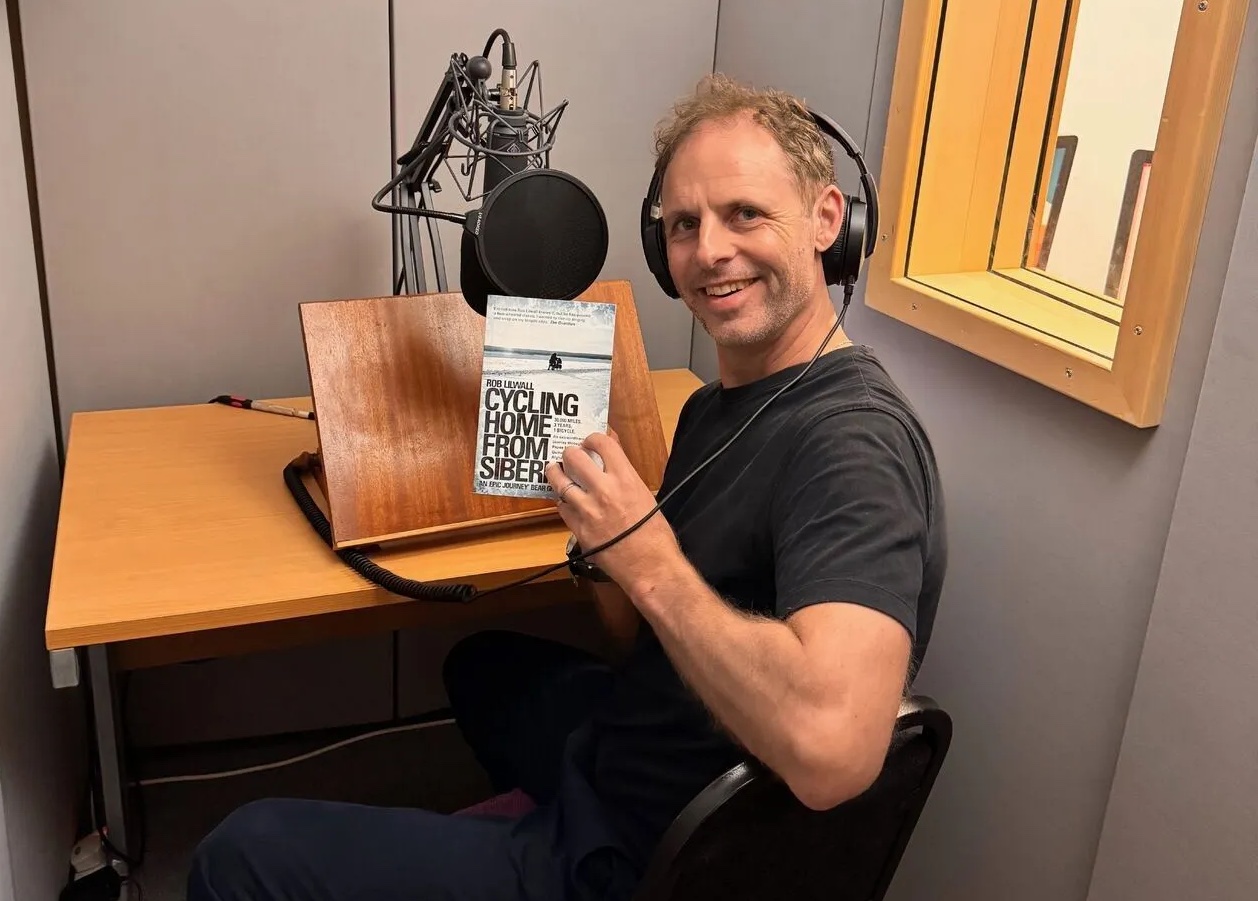
I’ve spent more than fifteen years delivering keynotes at conferences and company events around the world. Here are a few thoughts from my side of the microphone.
What is a keynote speaker?
A keynote speaker delivers one of the main presentations at a conference or event. Their talk usually connects with the event’s central theme and gives everyone a shared experience, perspective or idea to take away.
A keynote might inform, inspire, challenge people’s thinking or help them see a familiar problem differently. Often, the best ones do several of these things at once.
In my case, I tell stories from my expeditions and explore what they might teach us about working life.
Crossing a desert and leading a team are clearly different activities. But both can involve uncertainty, changing plans, overcoming setbacks and discovering that you need other people more than you thought.
The setting may be unusual, but the challenges are surprisingly familiar.
Why have a keynote speaker?
People spend much of their working lives dealing with whatever is immediately in front of them. A conference creates an opportunity to step away from the everyday, meet colleagues and think a little more widely.
A good keynote can help make that opportunity count.
Sometimes an outside perspective makes it easier to hear a message that has become rather familiar inside an organisation.
For example, “we need to be more adaptable” is a fairly abstract instruction. But a story about a carefully planned expedition going spectacularly wrong gives people something concrete to think about.
What would you do next? What can you control? When should you persevere, and when should you change the plan?
A keynote can also give people a shared language for conversations that continue long after the event.
And, of course, it can bring energy, humour and enjoyment to the day. There’s nothing wrong with people having a good time while they learn.

Who should you choose as your keynote speaker?
I would start with one question:
What would you like your audience to leave thinking about, feeling or doing differently?
Perhaps your team has had a difficult year. Perhaps you’re launching an ambitious new strategy. Perhaps you’re bringing clients together and want to give them something valuable beyond the usual business presentations.
Once you know what you’re hoping to achieve, choosing a speaker becomes much easier.
A few things are worth considering:
- Watch them speak. A showreel is a useful introduction, but a longer recording gives you a better sense of how they connect with an audience.
- Read their testimonials. What did previous organisers and audiences actually appreciate? Have they worked with groups similar to yours?
- Ask how they prepare. Will they take time to understand your people, your event and what you’re hoping to achieve?
- Consider the kind of expertise you need. Someone explaining the latest developments in AI and someone helping people adapt to technological change offer different things. Both may be valuable, depending on your objectives.
- Look beyond the biggest names. An extraordinary achievement doesn’t automatically translate into an extraordinary keynote. What matters is whether the speaker can make their experiences relevant to your audience.
I’ve written more about this in [How to Choose the Right Keynote Speaker for Your Conference], including why I think the best keynotes are about much more than inspiration.
When should a keynote speaker speak?
There’s no single right answer. An opening, middle or closing keynote can each serve a different purpose.
At the beginning: Set the tone
An opening keynote can energise the room, introduce the event’s central themes and give people ideas they can return to throughout the programme.
For example, if your conference focuses on resilience or navigating change, a keynote can introduce some shared language and practical ways of thinking that help shape the conversations that follow.
In the middle: Re-energise the audience
After several detailed business presentations, people sometimes need a change of pace.
A keynote that combines storytelling, humour, interaction and practical insights can help people re-engage, particularly when it connects with the wider conference programme.
At the end: Leave a lasting impression
A closing keynote offers an opportunity to bring the event together and send people away with something memorable.
What do you want people to feel as they leave? Energised? Thoughtful? Confident about the challenges ahead? Ready to take action?
If you’d like the speaker to connect their keynote with messages from earlier sessions, tell them in advance and share the relevant material. That kind of integration takes preparation, but it can make a real difference.
Where does a keynote work best?
Keynotes can work in large conference halls, hotel meeting rooms, company offices or online.
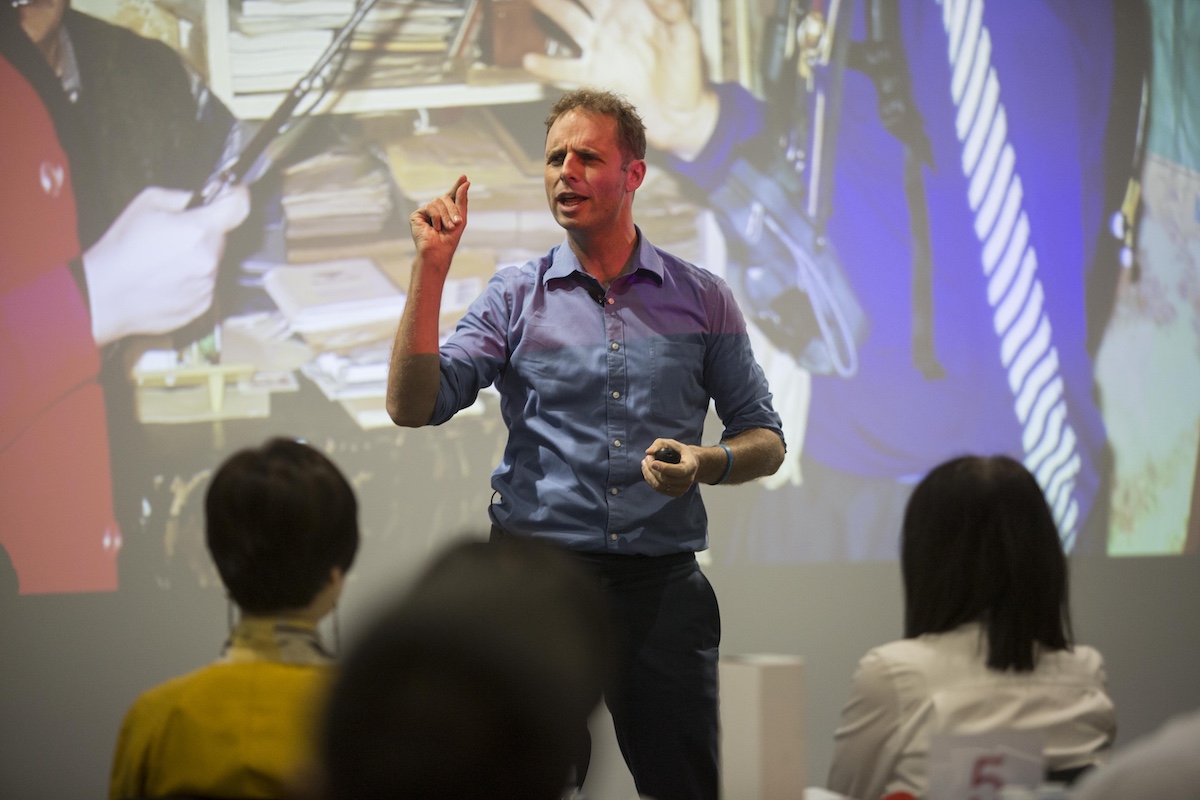
The size of the audience matters less than you might think. I’ve spoken to groups of twenty and audiences of several thousand. The setting changes, but the aim remains the same: to create a genuine connection with the people in the room.
A few practical details make a surprising difference.
Can everyone hear clearly? Can they see the screen? Is the room arranged so people can participate comfortably? Is there enough time to check the sound and equipment beforehand?
For virtual and hybrid events, it’s worth thinking carefully about the people joining remotely. Ideally, they should feel part of the experience rather than simply watching somebody else’s meeting.
I also encourage organisers not to assume that a keynote has to be entirely one-way. Even in a large audience, a few moments of interaction can make the experience much more engaging.
What should you tell your keynote speaker beforehand?
You don’t need a perfect brief before your first conversation.
But the more a speaker understands about your event, the better they can tailor their keynote.
I find it particularly helpful to know:
- Who is attending? Their roles, backgrounds and what they have in common.
- Why are you holding the event? What makes this gathering important now?
- What is happening in the organisation? What challenges, opportunities or changes are people facing?
- What is the central theme? And how does the keynote fit into the wider programme?
- What would you like people to take away? What do you hope they will think about or do differently afterwards?
Then there are the practical details: date, location, audience size, timing, budget and whether you’d like questions or other interaction.
It’s also helpful to be open about sensitive issues. If an organisation has recently been through a difficult period, that context matters.
For my own keynotes, understanding the audience helps me decide which stories and lessons to emphasise.
The same expedition might open up a conversation about perseverance, asking for help, setting goals or recognising when it’s time to rethink your approach.
The more I understand about the people I’ll be speaking to, the more relevant I can make the experience.
What do my adventures have to do with your conference?
I started out as a geography teacher. Since then, I’ve travelled more than 70,000 kilometres by bicycle and on foot, including through Siberia, mountains, jungles and deserts.
Along the way, I’ve experienced temperatures of minus 40°C, crossed remote wildernesses and spent seventy-one days walking alone across the Taklamakan Desert.
But I haven’t come away thinking that success is about being fearless, endlessly positive or doing everything yourself.
Quite the opposite.
I’ve learned the importance of preparing properly, looking after yourself, asking for help and taking the next manageable step when the whole journey feels overwhelming.
I’ve also learned that sometimes you need to change your plans, however attached you are to them.
Those experiences now form the basis of my keynotes on resilience, adaptability, leadership and navigating uncertainty.
Through stories, humour and audience participation, I try to help people think differently about the challenges they face at work.
After all, very few people in my audiences want to cycle across Siberia. But almost everyone knows what it’s like when a carefully made plan falls apart.
And that is where the adventure becomes relevant.
Planning a conference or company event?
You don’t need to have everything worked out before getting in touch.
Tell us a little about your audience, what you’re planning and what you’re hoping the event will achieve.
We can then have a conversation about whether one of my keynotes would be a good fit.