







Bringing together leaders from different countries is never straightforward. That’s why I prepared a handy guide on how to plan an international leadership conference in the UK.
Time zones, travel logistics, cultural differences and competing priorities all add layers of complexity long before anyone steps onto the stage. Yet when international leadership conferences are done well, they can become defining moments for an organisation. They strengthen relationships across regions, create a shared sense of direction and give leaders the opportunity to step away from the day-to-day pressures of work to think more strategically about the future.
The United Kingdom has long been one of the world’s leading destinations for international conferences, and for good reason. It combines excellent transport links with a wide choice of venues, a strong business environment and a reputation for hosting world-class events. But choosing the UK is only the beginning. Planning a successful international leadership conference requires careful thought about what you are trying to achieve and how every element of the event supports those objectives.
Start with the purpose, not the programme
One of the easiest mistakes to make is to begin planning by filling an agenda.
It’s natural enough. You’ll need keynote sessions, workshops, panel discussions, networking opportunities and dinners. Before long, the programme begins to take shape.
But it’s worth pausing to ask a more fundamental question first.
Why are you bringing your leaders together?
Is the conference about communicating a new strategy? Building stronger collaboration between regions? Equipping leaders to navigate uncertainty? Celebrating success after a demanding year? Preparing people for significant organisational change?
The clearer your purpose, the easier every subsequent decision becomes. The venue, the speakers, the format and even the social programme should all reinforce the outcomes you want the conference to achieve.
Choose a location that suits your audience
The UK offers an enormous variety of conference destinations, each with its own strengths.
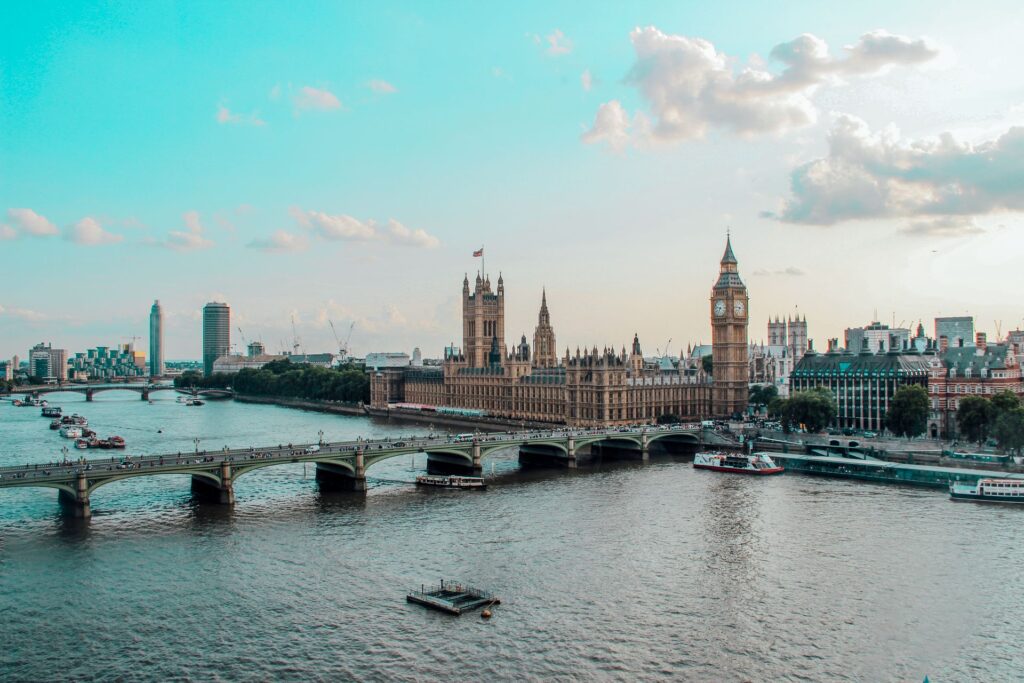
London is the obvious choice for many international organisations. Its global connectivity, extensive hotel capacity and outstanding venues make it ideal for large conferences and multinational audiences. At the same time, cities such as Manchester, Birmingham, Edinburgh, Glasgow, Bristol and Liverpool offer excellent conference facilities, often at lower cost and with a slightly more relaxed atmosphere.
Some organisations prefer country house hotels or purpose-built conference centres outside the major cities, particularly for executive leadership retreats where fewer distractions can encourage deeper conversations.
The right location depends less on prestige than on the experience you want your delegates to have.
Make travel as easy as possible
International delegates often arrive tired.
Long-haul flights, immigration queues and connecting transport can all affect people’s energy before the conference has even begun.
Choosing venues with straightforward access from major international airports can make a surprisingly large difference. London Heathrow remains one of the world’s busiest international hubs, while Gatwick, Manchester, Birmingham and Edinburgh also provide excellent global connections.
It’s also worth considering rail travel for delegates arriving from within the UK or mainland Europe. Britain’s rail network makes many cities easily accessible without requiring additional flights.
The simpler the journey, the more energy delegates are likely to bring into the conference itself.
Build in time for conversations
Leadership conferences are often packed with content.
Ironically, this can sometimes leave very little time for the conversations that matter most.
Some of the most valuable moments happen between sessions: over coffee, during a walk after dinner or while travelling together between venues. These informal conversations allow leaders from different countries and business units to compare experiences, share ideas and build relationships that continue long after the event has finished.
Rather than trying to maximise every minute of the agenda, consider creating space where these conversations can happen naturally.
Think carefully about your keynote speaker
A keynote speaker should never feel like entertainment inserted between business sessions.
The best keynotes reinforce the purpose of the conference and provide delegates with a shared perspective that carries through the rest of the programme.
That doesn’t necessarily mean choosing the biggest name available.
A speaker who takes time to understand your organisation, your leaders and the challenges they are currently facing will often have far greater impact than someone with a famous profile but a generic presentation.
If you’re currently exploring your options, you may find our guide to the best keynote speakers for conferences in the UK helpful. It compares speakers with different backgrounds, styles and areas of expertise, making it easier to find someone who aligns with your conference objectives.
Remember that leadership conferences are about people, not presentations
The most successful leadership conferences rarely succeed because every presentation was flawless.
They succeed because people leave seeing their organisation differently.
Perhaps they understand the strategy more clearly.
Perhaps they have built relationships with colleagues they would never normally meet.
Perhaps they have found fresh confidence to lead through uncertainty.
Perhaps they have simply returned with renewed energy and perspective.
Those outcomes are much harder to measure than attendance figures or feedback scores, but they are usually the real reason organisations invest in bringing leaders together.
Don’t overlook the host city
International delegates often appreciate the opportunity to experience the destination as well as the conference.
Whether it’s a dinner overlooking the Thames, a walking tour through Edinburgh’s Old Town, a visit to Oxford or Cambridge, or an evening in the Cotswolds after a leadership retreat, thoughtful social programmes help delegates connect in ways that formal sessions cannot.
The location becomes part of the experience rather than simply the backdrop.
The best conferences continue long after everyone has flown home
A leadership conference shouldn’t be viewed as an isolated event.
Ideally, it becomes the beginning—or perhaps the continuation—of important conversations throughout the organisation.
That means thinking beyond the closing session. How will key messages be reinforced? Which ideas should leaders take back to their teams? How will the momentum created during the conference continue over the months that follow?
The most successful conferences don’t simply deliver information.
They create alignment.
They strengthen relationships.
And they give leaders a shared language for the challenges ahead.
Planning an International Leadership Conference in the UK?
If you’re organising a leadership conference in the UK, I’d be delighted to discuss how a tailored keynote can support your conference objectives. Every organisation is different, and every audience deserves a keynote that reflects its own challenges, ambitions and culture.
You may also find these guides helpful:
- Keynote Speaker in the UK
- The Best Keynote Speakers for Conferences in the UK
- How to Choose the Right Keynote Speaker for Your Conference